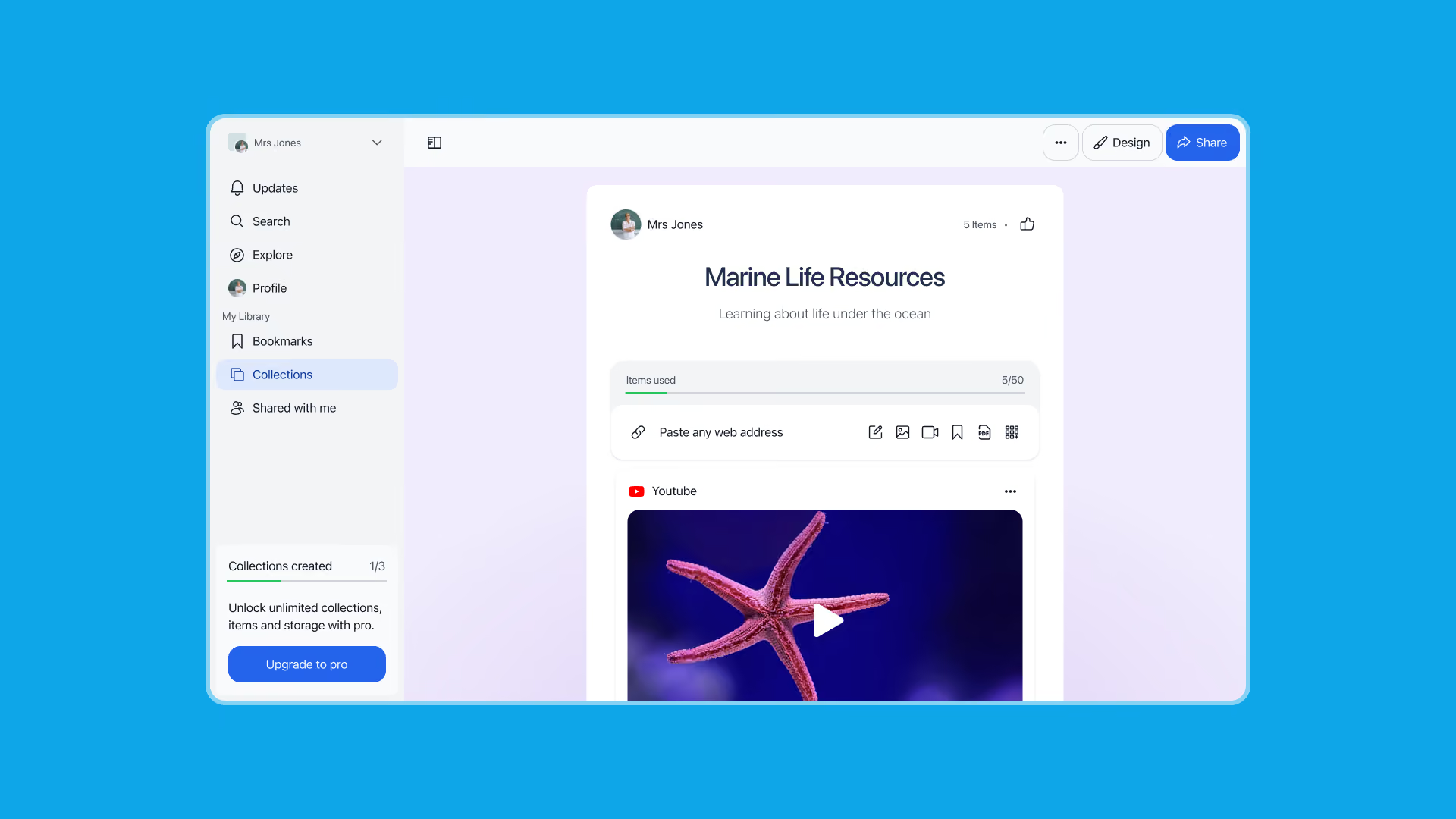
1. Introduction
I led a strategic initiative to grow Wakelet’s product-led revenue, complementing our established sales-led motion within the education sector.
At the time, Wakelet offered:
- A free plan with unlimited saving and collection creation
- An individual Pro plan available for self-serve purchase
- Sales-led plans for schools and districts focused on classroom collaboration
Despite healthy usage across the platform, organic conversion from free to paid remained below business expectations.
I led an investigation into the low conversion rate, which ultimately resulted in reframing the free plan and introducing a starter tier with usage-based limits.
I led an investigation into the low conversion rate, which ultimately resulted in reframing the free plan and introducing a starter tier with usage-based limits.
2. The problem
Wakelet’s monetisation relied on a traditional paywall model. The assumption was that individual users would naturally upgrade once they reached limits around collaboration and publishing, behaviours we believed were strong indicators of paid intent.
However, conversion remained low, raising a critical question:
If users never encounter our limits, are we monetising the right behaviours?
Without addressing this, we risked:
- Monetising a niche use case rather than core behaviour
- Having a paid plan most users didn’t even realise existed
- Leaving significant revenue untapped despite high engagement
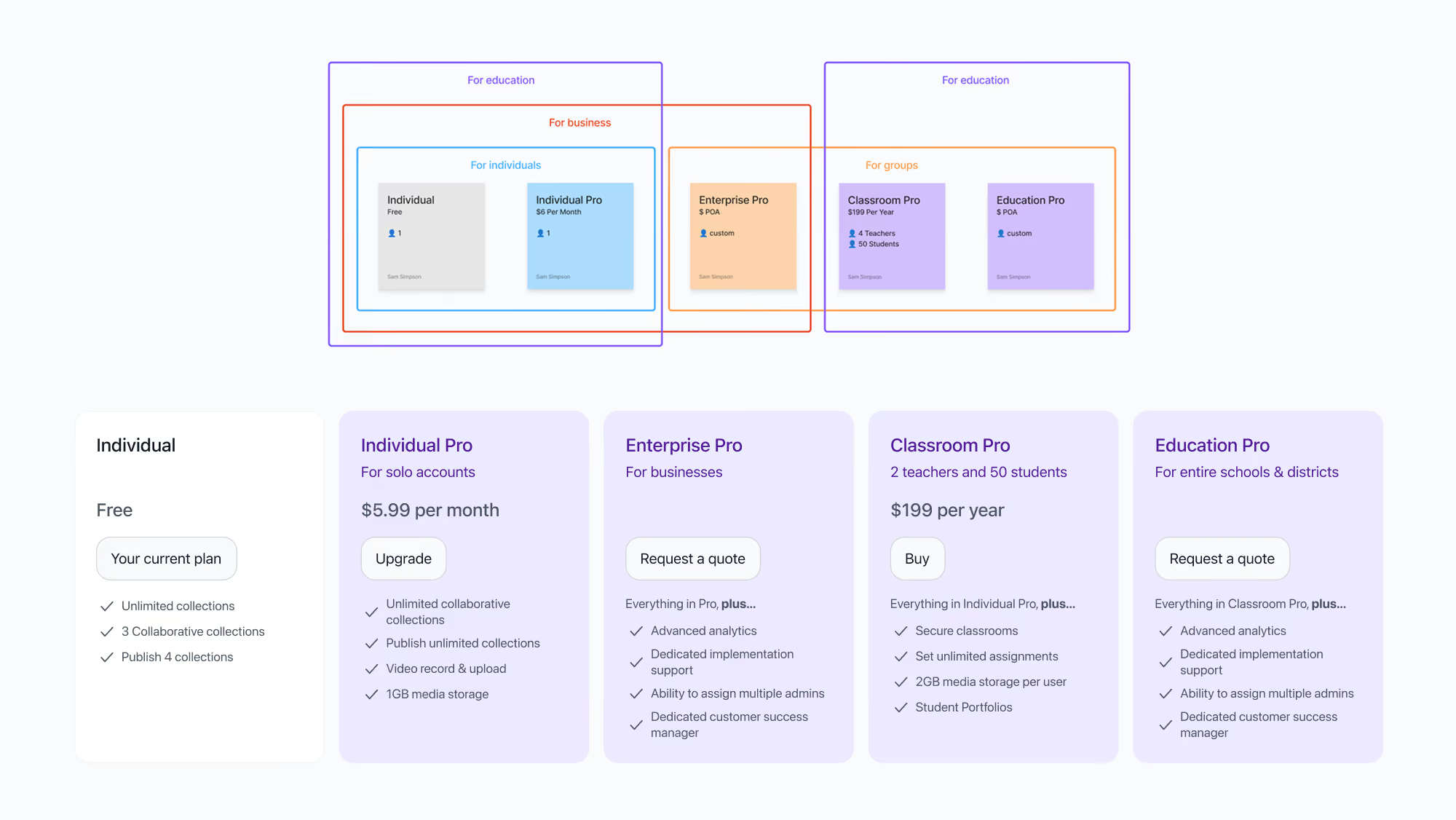
Analysing the existing paid offering to identify opportunities for a more clearly segmented pricing strategy
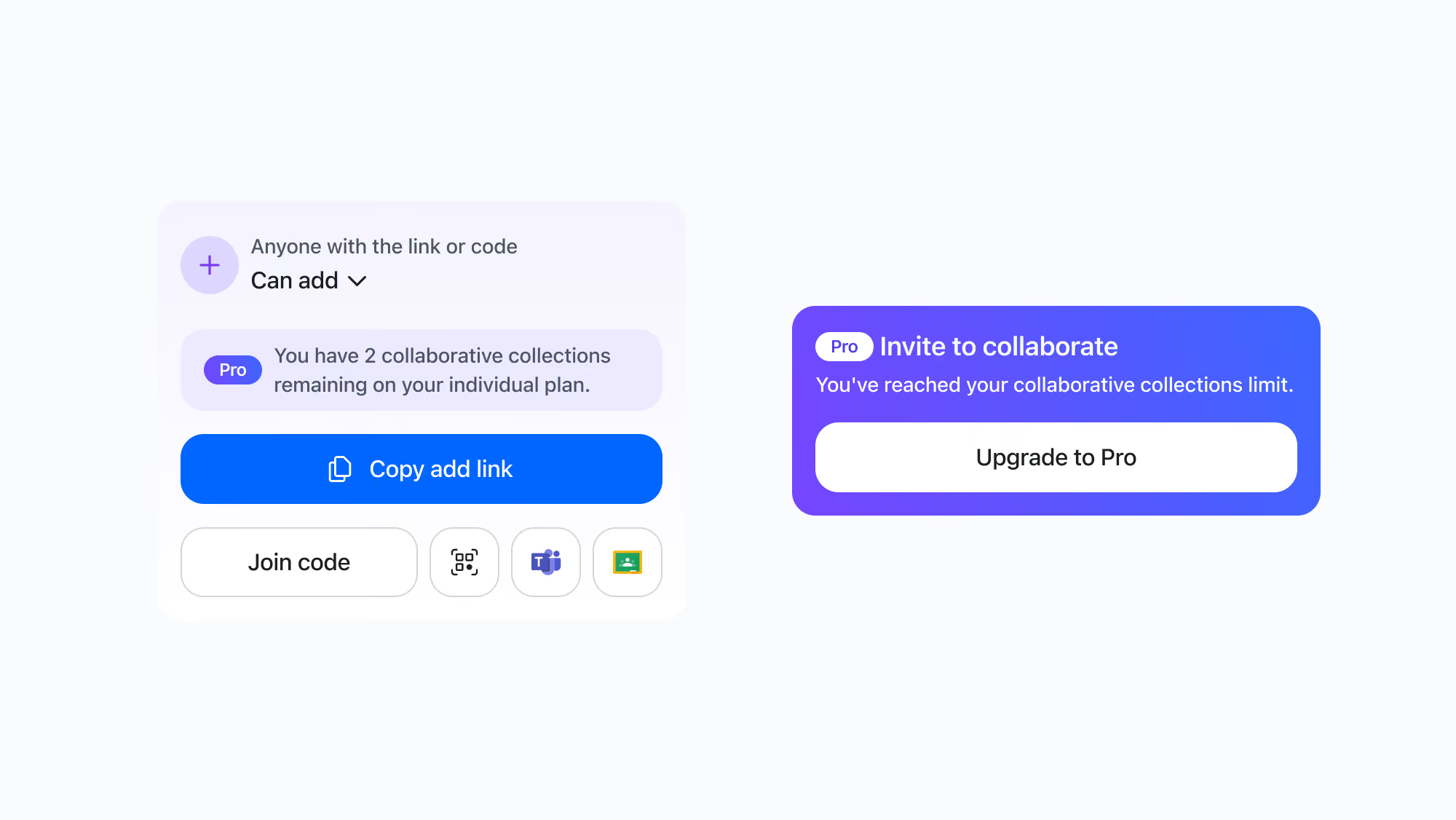
The existing collaboration experience, where collaboration limits interrupted key sharing workflows
3. Context & constraints
- Wakelet served multiple cohorts, including educators, students, business and personal users
- Collaboration and publishing were limited on the free plan, while core content creation remained unlimited
- Sales-led school and district plans had been the primary revenue driver for several years.
- Engineering capacity required changes to be incremental and low-risk
- Any change to free limits needed to be clearly communicated to avoid eroding trust
4. Discovery & insight
Before exploring potential solutions, I wanted to understand whether the problem lay with our pricing, messaging, or the monetisation model itself. To answer that, I combined behavioural analytics, commercial insights, competitor analysis and qualitative customer feedback.
I started by speaking with stakeholders across the business, bringing together insights from previous product initiatives, onboarding campaigns and sales conversations. While everyone agreed Wakelet Pro offered genuine value, one theme came up repeatedly: most users never reached a point where upgrading felt necessary. The issue wasn't the value of Pro, it was that too few users experienced the behaviours we had chosen to monetise.
Working alongside our data engineering team, I then analysed how people used Wakelet and where they naturally encountered our existing limits. This uncovered the project's defining insight:
Out of 1.6 million users acquired since launch, fewer than 4% ever encountered the existing paywall. We had effectively built our monetisation strategy around a behaviour most users never experienced.
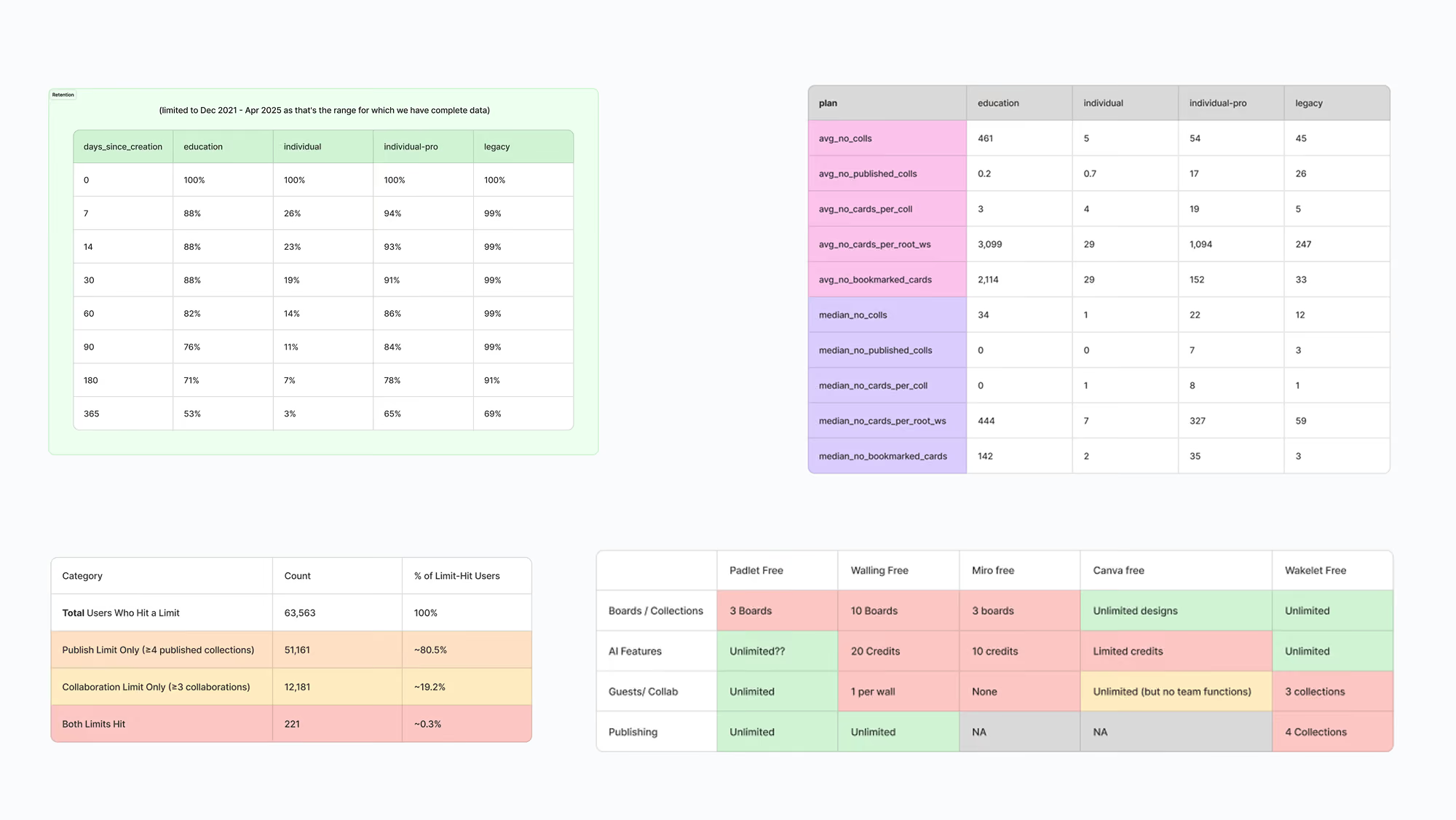
Research and behavioural analysis revealed that fewer than 4% of users ever reached the existing paywall
I then benchmarked competing products with similar functionality, looking at how they structured their pricing, free plans and upgrade journeys. A clear pattern emerged. Rather than monetising niche features, most products placed limits around the behaviours their users performed most often, making upgrades feel like a natural progression of core usage rather than an interruption.
Finally, I worked with our Community team to better understand why existing users did, and didn't upgrade. Through questionnaires and customer interviews with free and Pro users, we found that upgrades were rarely driven by individual premium features. Instead, users converted once Wakelet became part of their everyday workflow. Those who remained on the free plan often hadn't yet reached a compelling reason to upgrade.
When looking at the bigger picture, the findings all pointed to the same conclusion. Users understood the value of Wakelet, but our monetisation strategy wasn't aligned with how they experienced that value. The opportunity to upgrade came when users encountered niche functionality, rather than when Wakelet had become part of their everyday workflow.
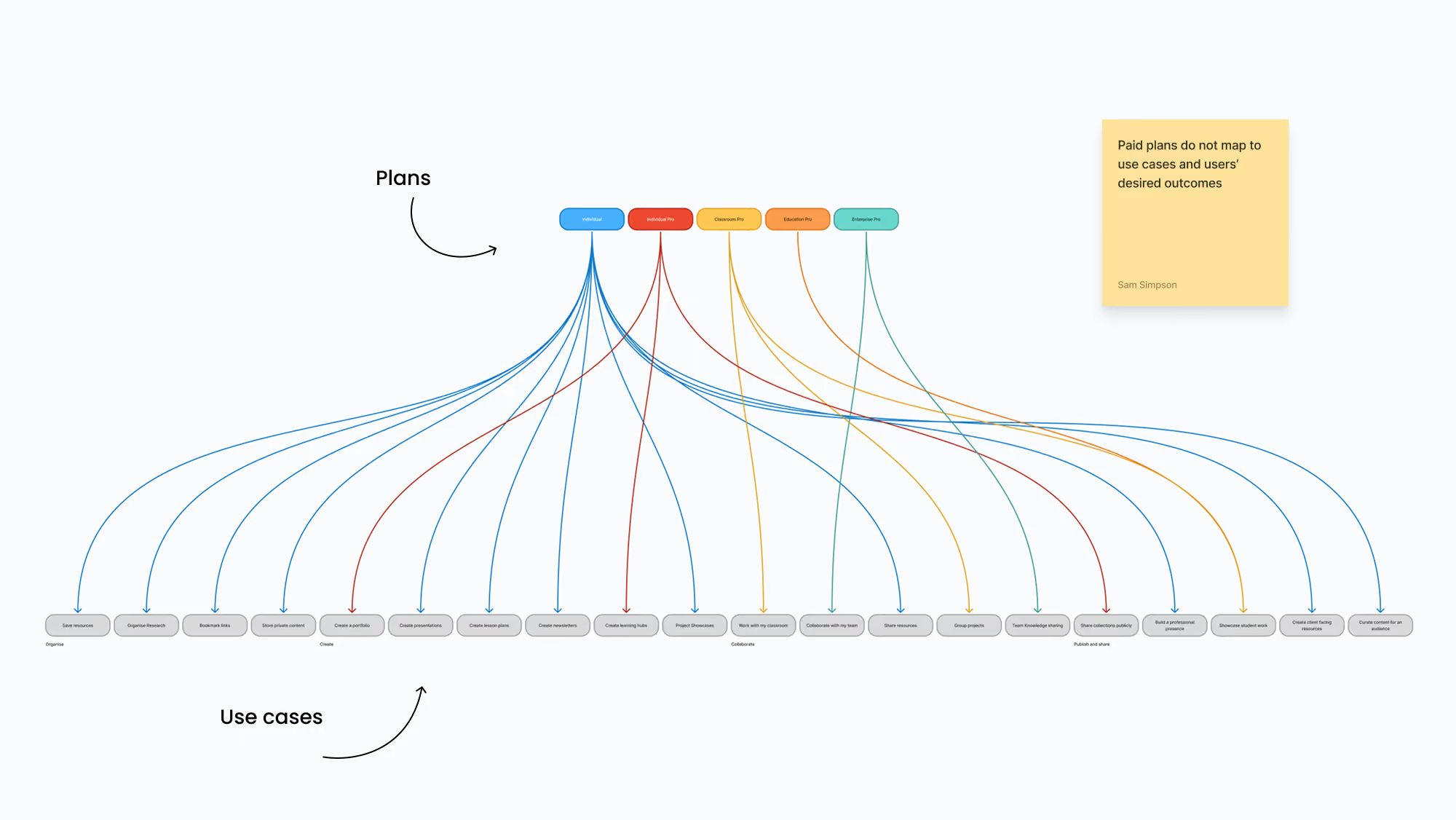
Mapping paid plans against user goals revealed that the existing pricing model did not align with key use cases
5. Defining the approach
With a clear understanding of the problem, I explored several directions before committing to a solution:
Tightening our existing limits
The quickest option technically was to build on our existing paid offering by making the collaboration and publishing limits more restrictive. However, the behavioural data showed that very few users naturally reached these limits, so making them stricter wouldn't meaningfully increase the number of people who encountered the paywall.
The quickest option technically was to build on our existing paid offering by making the collaboration and publishing limits more restrictive. However, the behavioural data showed that very few users naturally reached these limits, so making them stricter wouldn't meaningfully increase the number of people who encountered the paywall.
Introducing earlier upgrade prompts
We also explored surfacing upgrade prompts earlier in the user journey. While this would have increased visibility of the Pro plan, it wouldn't have solved the underlying problem. We'd still be asking users to upgrade before they'd experienced enough value to justify paying.
We also explored surfacing upgrade prompts earlier in the user journey. While this would have increased visibility of the Pro plan, it wouldn't have solved the underlying problem. We'd still be asking users to upgrade before they'd experienced enough value to justify paying.
Improving pricing and messaging
Another option was to rethink how we communicated our plans. Although clearer pricing and messaging would likely improve understanding, the research suggested awareness wasn't the issue. Most users simply never reached the behaviours we had chosen to monetise.
Another option was to rethink how we communicated our plans. Although clearer pricing and messaging would likely improve understanding, the research suggested awareness wasn't the issue. Most users simply never reached the behaviours we had chosen to monetise.
Reframing the free plan around core usage
The strongest opportunity was to align monetisation with Wakelet's most common behaviour: creating collections and saving content. Rather than monetising niche functionality tied to only a hand full of specific use cases, we could introduce natural usage limits around an action that every engaged user performed, creating a much clearer path from free to paid.
The strongest opportunity was to align monetisation with Wakelet's most common behaviour: creating collections and saving content. Rather than monetising niche functionality tied to only a hand full of specific use cases, we could introduce natural usage limits around an action that every engaged user performed, creating a much clearer path from free to paid.
This represented a fundamental shift in our monetisation strategy. Instead of relying on isolated premium features to drive upgrades, we focused on supporting users as they became more invested in the platform, allowing paid value to grow naturally alongside product usage.
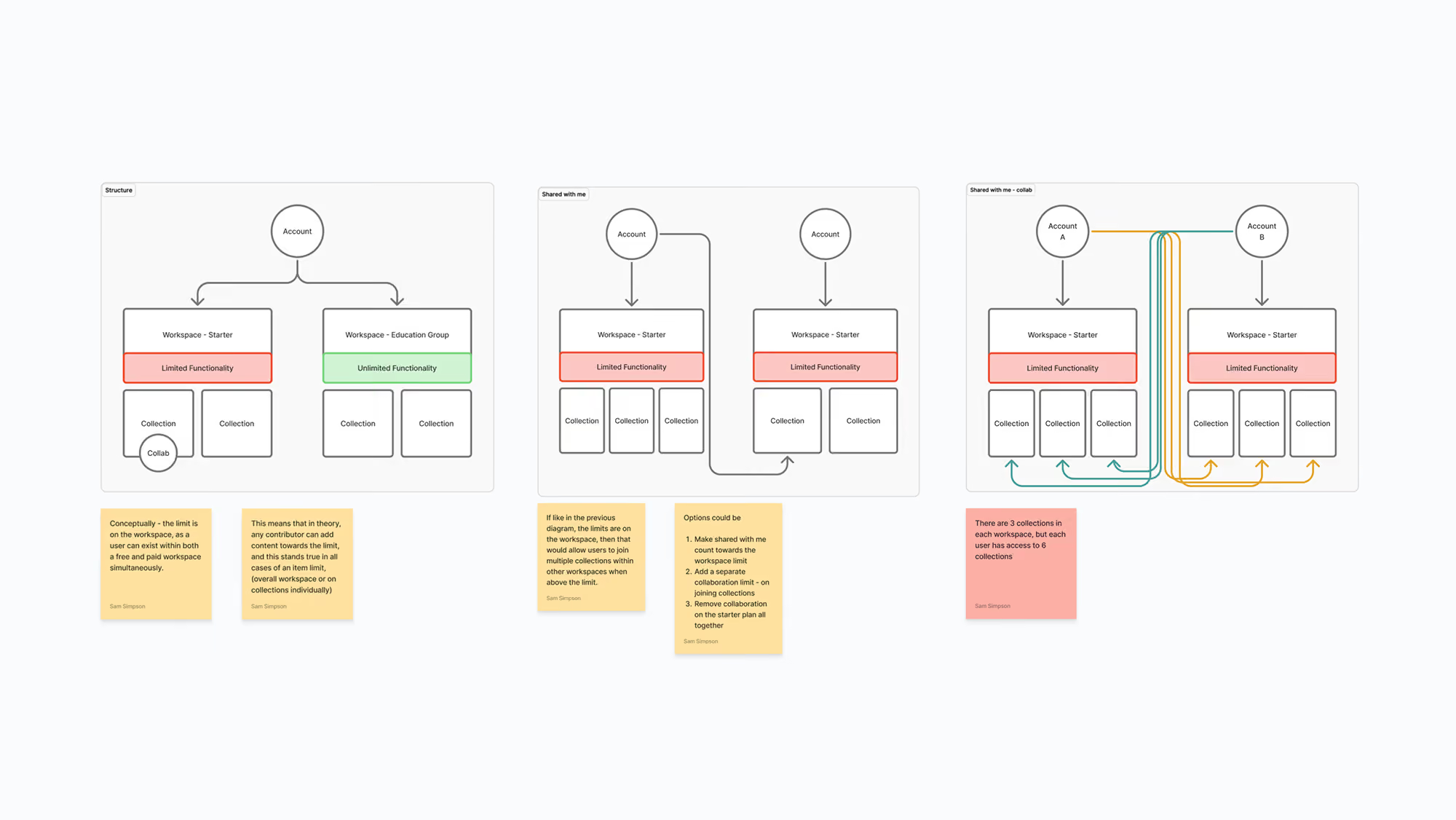
Early concepts exploring how collaboration limits should behave across workspaces and shared content
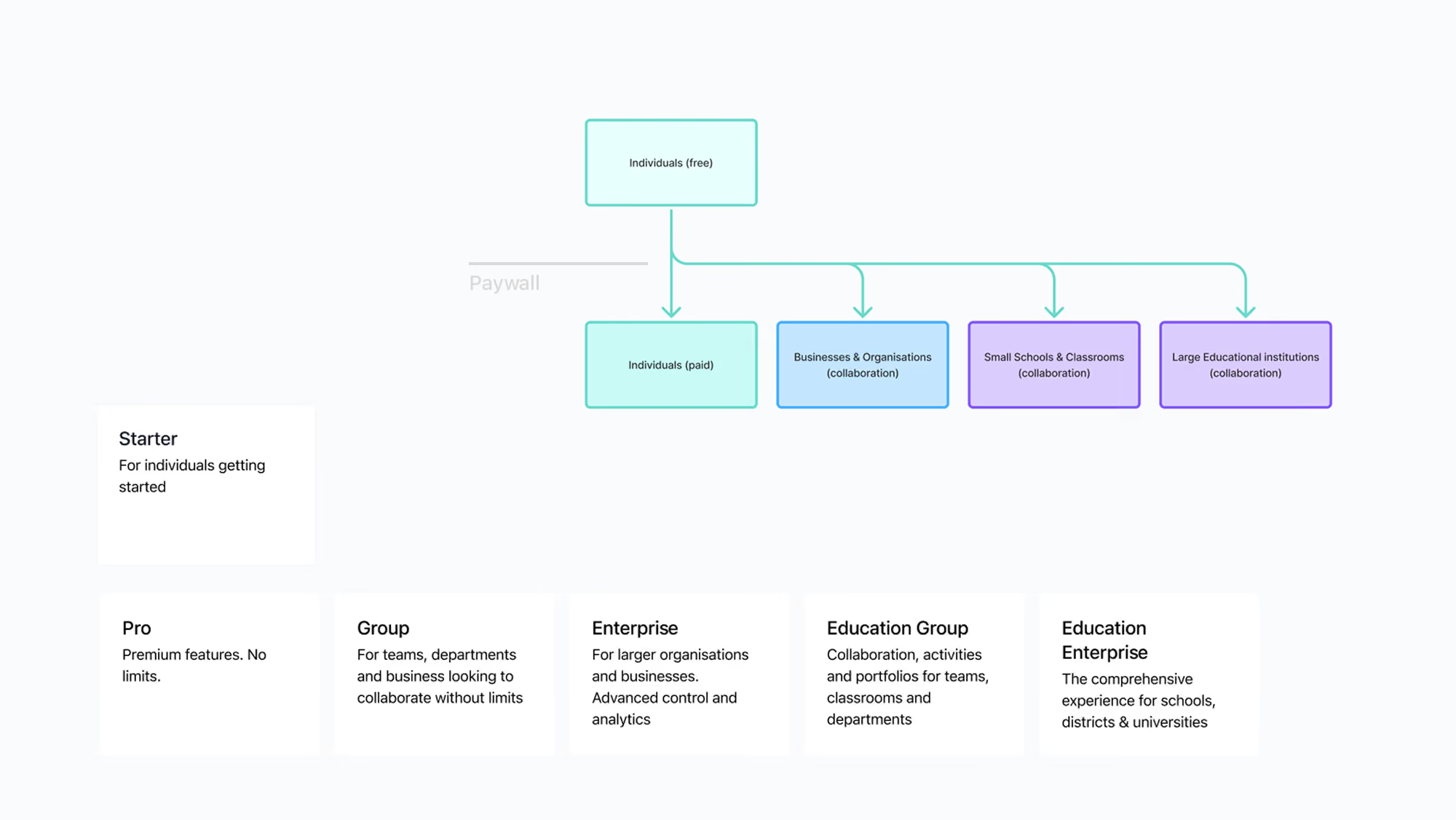
Exploring a pricing strategy that aligned plans with users' goals while creating clearer upgrade paths
6. Design & Iteration
With the direction established, my focus shifted to turning the new monetisation model into an experience that felt clear, fair and easy to understand.
One of the first decisions was determining where the new content limits should sit. Working with our data engineering team, I analysed existing usage patterns and found that the average free user had created five collections. Setting the Starter plan collection limit at three was grounded in behavioural data and balanced two competing goals: preserving the experience for the majority of existing users whilst creating a natural point to upgrade once Wakelet had become part of their everyday workflow.
From there, I explored low-fidelity wireframes to understand how and where users should encounter these new limits. Rather than abruptly blocking actions, the experience needed to explain what had happened, why the limit existed and what users gained by upgrading.
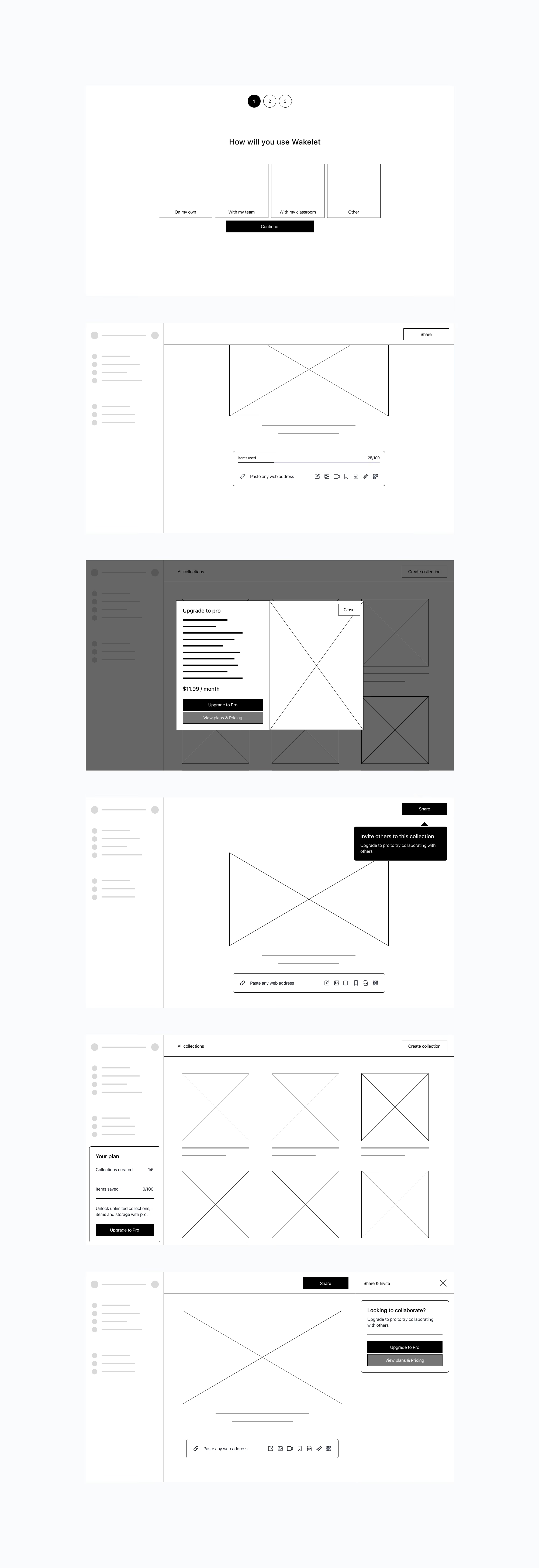
Early wireframes exploring how usage-based limits and upgrade opportunities could be integrated into the core experience
These early concepts were reviewed through regular design critiques with stakeholders from product, engineering and customer-facing teams. The discussions helped simplify the messaging and interaction patterns whilst ensuring the solution remained technically achievable.
As the direction evolved, I built interactive prototypes to validate the experience before implementation. Through moderated prototype sessions with internal team members, I explored whether the new limits and upgrade prompts appeared at the right moments and whether progressing from Starter to Pro felt like a natural next step rather than an interruption.
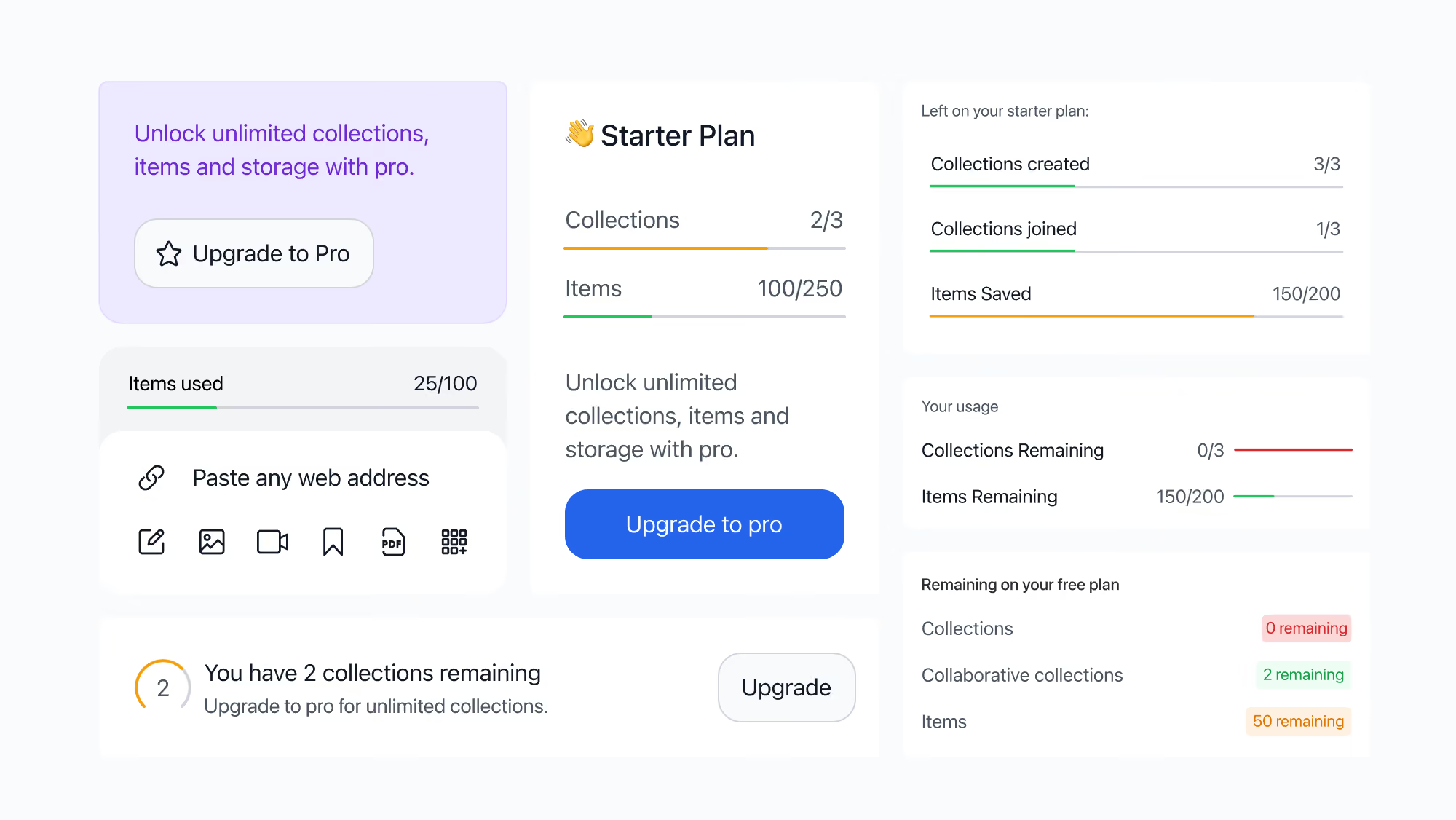
Exploring different ways to communicate usage limits and upgrade opportunities throughout the product experience
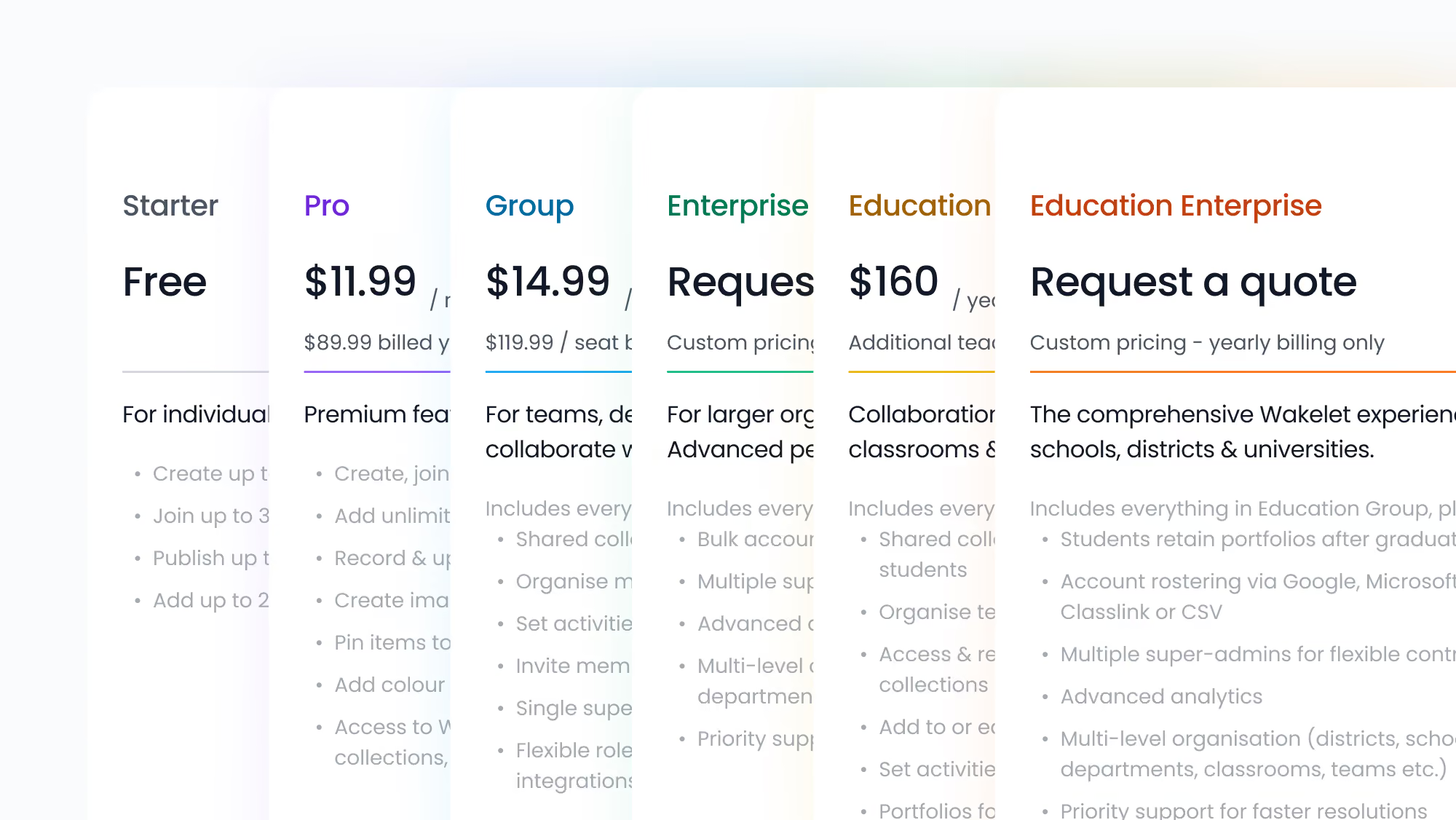
The final pricing model, aligning plans with users' goals while creating clear upgrade paths from individuals to organisations
Working closely with engineering throughout implementation allowed us to continue refining the experience as technical considerations emerged. The final design introduced contextual upgrade prompts at meaningful points throughout the user journey, clearly communicating remaining usage, reinforcing the value of Wakelet Pro and creating a much more transparent path from free to paid.
7. Outcome & Impact
The launch of the starter plan led to a significant shift in product-led revenue:
- $200k in revenue from pro subscriptions in 2025 compared to $35k in 2024 (+471%)
- Reduced average monthly customer churn from 6.9% to 4.0% (-43%) following the launch of a new Starter plan.
Beyond revenue, the work:
- Made the paid offering visible to a much larger portion of the user base
- Improved user understanding of paid value
- Shifted the company's monetisation strategy away from niche behaviours and towards core product value
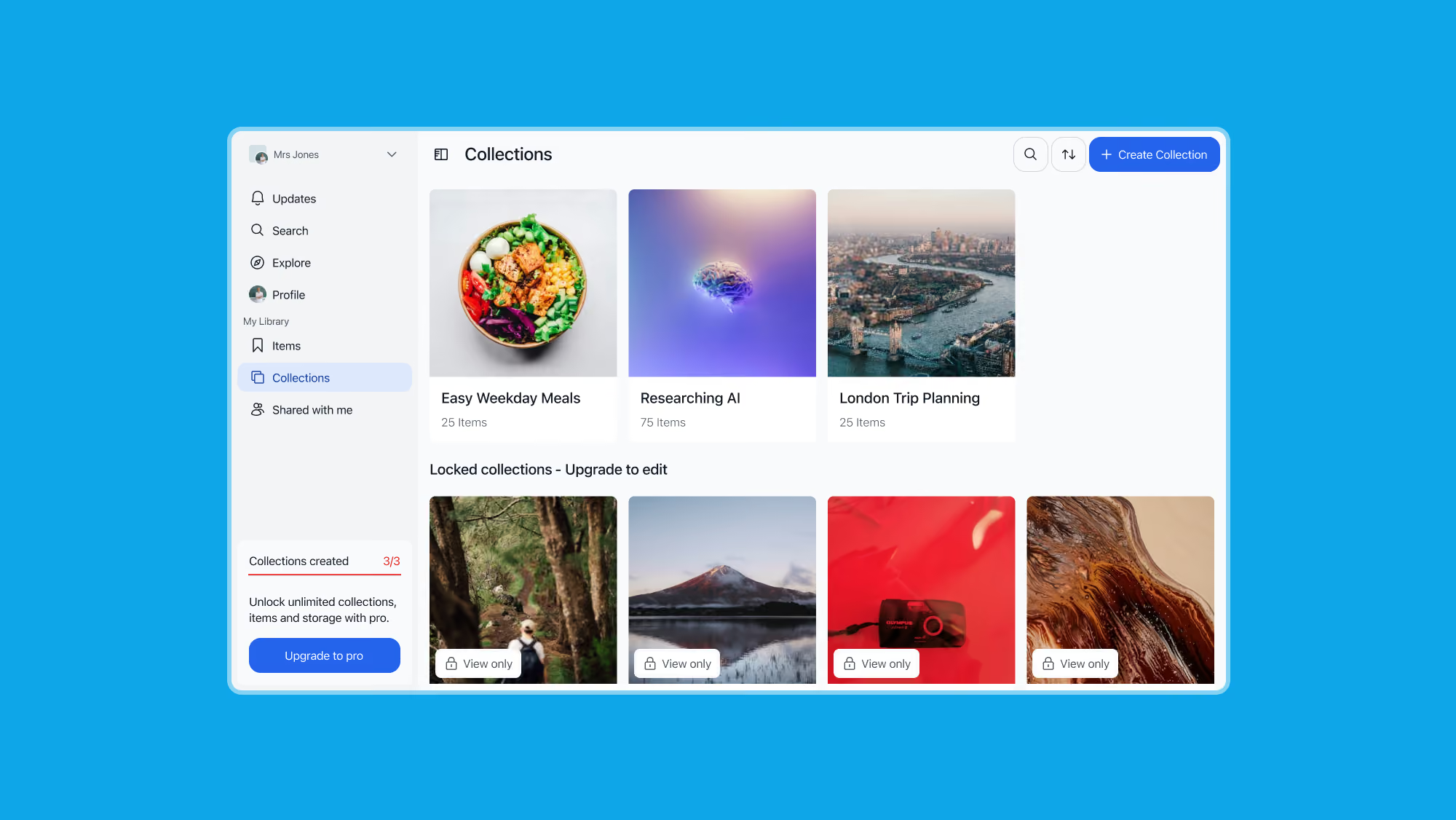
The collections area, integrating usage limits and upgrade opportunities directly into the core experience
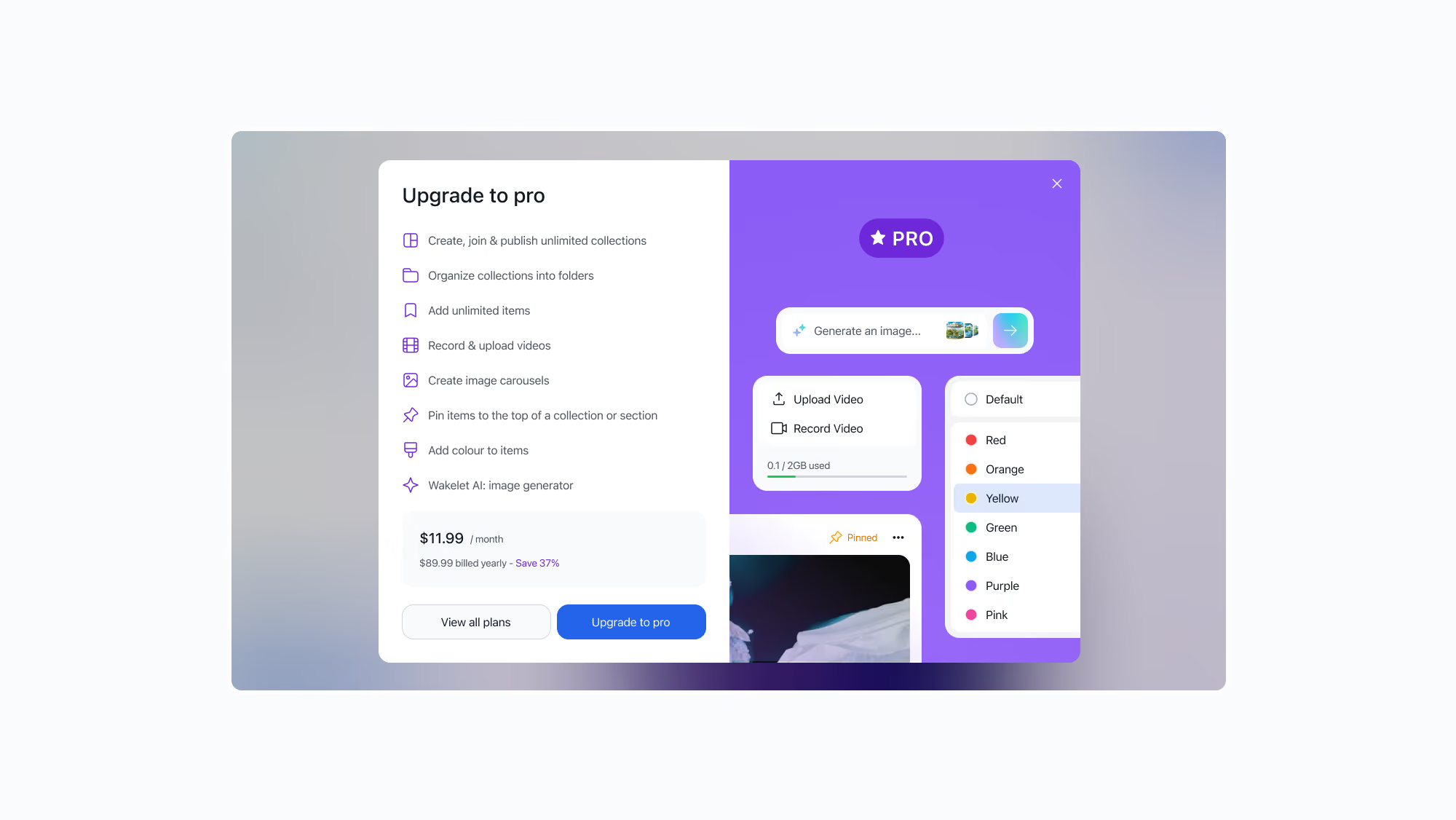
The redesigned upgrade experience, clearly communicating the value of Pro while providing a direct path to upgrade
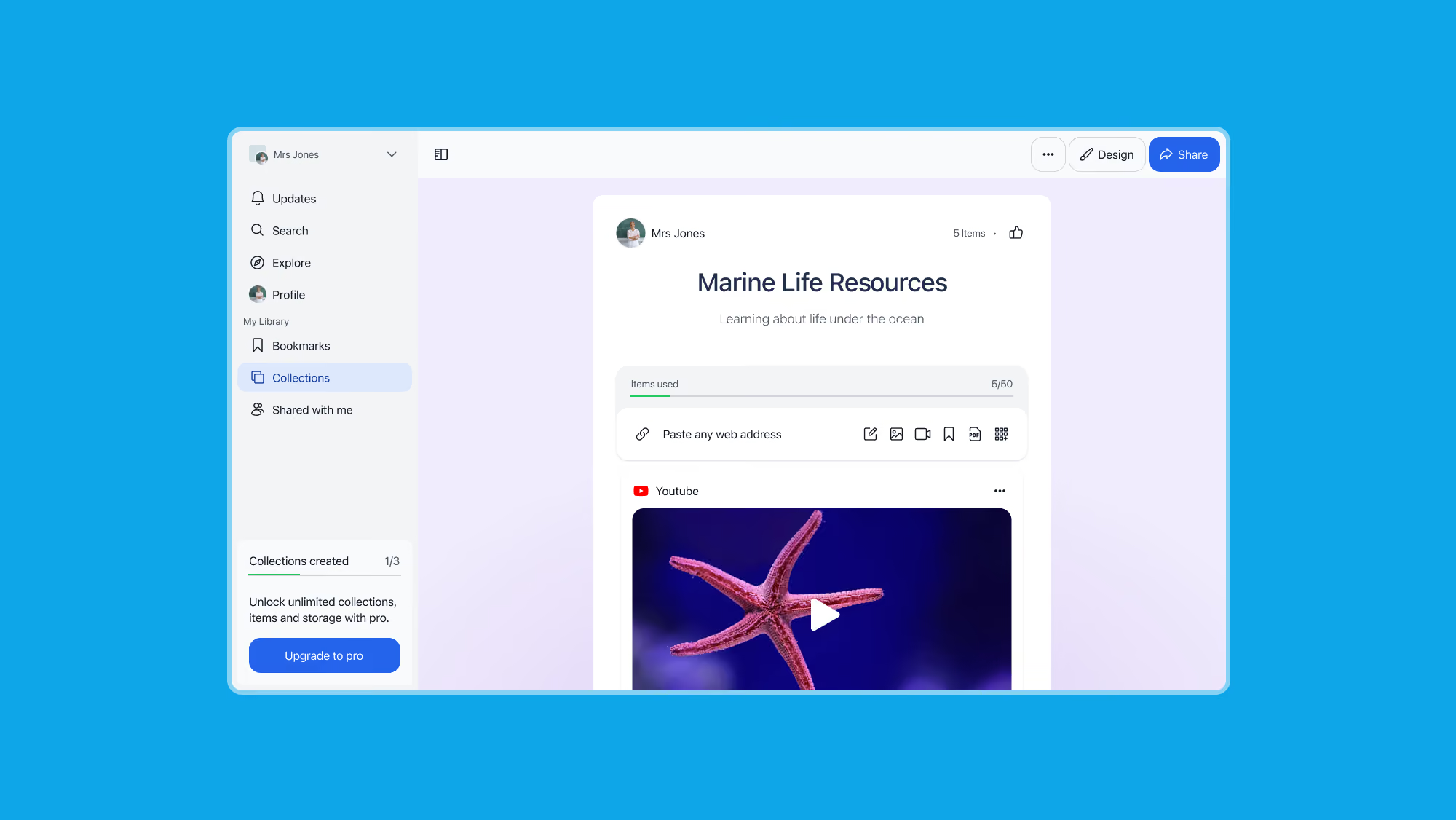
The collection experience, integrating item usage limits directly into the content creation workflow
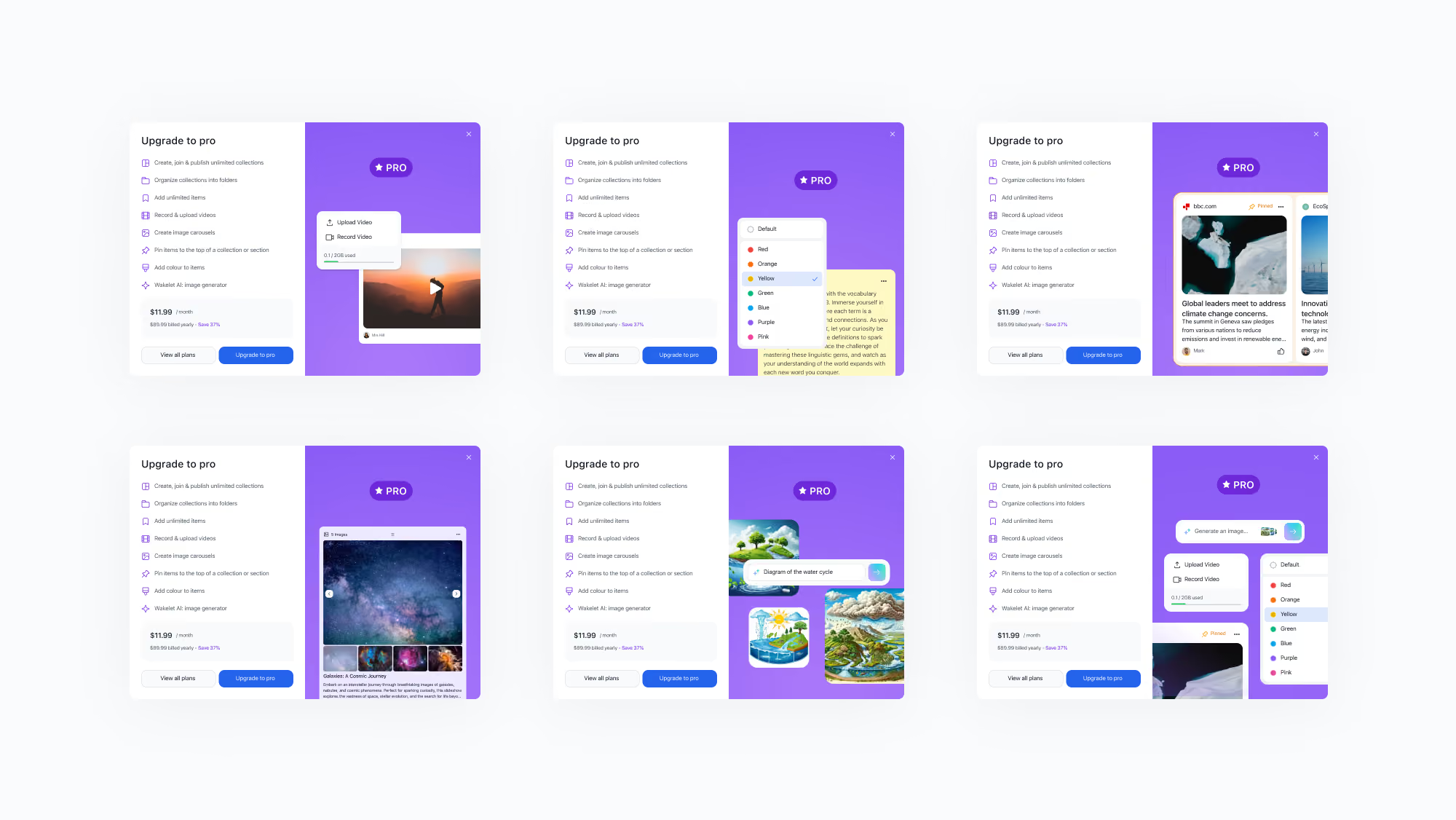
The upgrade dialog dynamically showcasing premium features relevant to the user's current workflow
8. Reflection
Looking back, I'd spend more time exploring how the content limits performed over time for both new and existing users. The thresholds we introduced were informed by behavioural data from our existing user base, allowing us to minimise disruption whilst creating a meaningful upgrade opportunity. In hindsight, I'd be interested in understanding whether those same limits represented the right experience for users joining Wakelet for the first time, whose expectations and usage patterns may differ significantly.